
Guided by Expertise: A Mentor-Mentee Conversation on Dissertation Direction
At the heart of graduate education is a relationship that often defines a student’s experience far beyond the classroom: the one between dissertation advisor and advisee. In this feature, we explore this essential mentorship through the eyes of Dr. Max R. Paquette, UofM a professor and biomechanics expert in the College of Health Sciences, and his mentee, Samuel Lyons, a PhD student in Applied Physiology and Neuromechanics. Together, they offer powerful insights into what makes a mentoring relationship not only productive—but transformative.
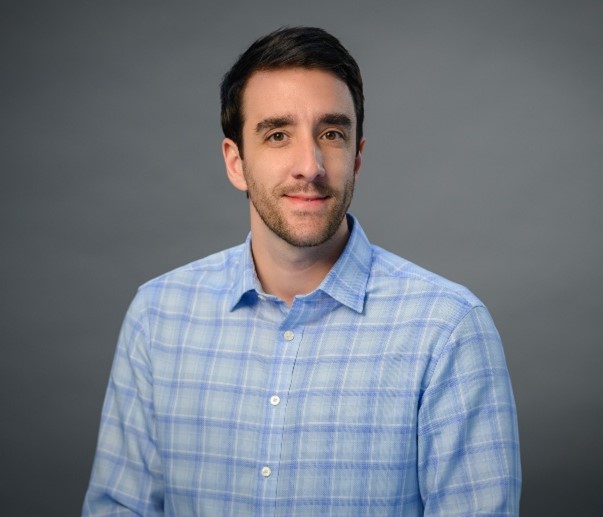
Q&A with Dr. Max R. Paquette
Professor | Biomechanics, Exercise, Sport & Movement Sciences | College of Health Sciences
 When did you decide to take Samuel on as a mentee, and what do you typically look
for in students?
When did you decide to take Samuel on as a mentee, and what do you typically look
for in students?
Because of the kind of research we do—shoes, sport-related biomechanics, etc.—we receive
a high number of PhD assistantship applicants (sometimes 70+). I conduct a thorough
interview process that goes beyond research interests. I look for:
- Fit—with me and the current lab members
- Career alignment—Can I help this student reach their professional goals?
The latter is especially important to me. A student committing 3–5 years to this work should grow as both a person and a professional.
What do you expect of your mentees?
Strong communication and the ability to work independently. Most PhD students are well-trained and incredibly smart—often smarter than me! But
those two skills truly set outstanding students apart. When students keep me updated
and take the lead, even through trial and error, they tend to succeed.
What do you think your mentees expect of you?
Availability—being there to troubleshoot or confirm ideas quickly can help students
build confidence and maintain momentum. I don’t need to be constantly present, but
I need to be reliably available.
What do you think makes for a successful mentoring relationship?
Open communication and consistent support. That means keeping students on track with
clear timelines and deadlines—but also reminding them how much they’ve achieved. Graduate
students often don’t realize just how much they’re juggling and accomplishing.
Advice for students selecting a dissertation director?
Find someone who can help you reach your career goals and expand your skillset—scientific and otherwise. A strong mentor should sharpen your tools, help you build
soft skills, and introduce you to a strong professional network. The school you attend
matters, but who you work with matters more.
Q&A with Samuel Lyons
PhD Student | Applied Physiology and Neuromechanics | Class of 2025
Graduate Assistant | Musculoskeletal Analysis Laboratory
 Why did you decide to work with Dr. Paquette?
I knew I wanted to study running and bone stress injuries, and Dr. Paquette is one of the top global experts in that area. I was already using
his research in my clinical work before applying. But what truly sealed it was his
track record of student success and broad professional network. I was confident he could help me reach my goals and become a better researcher.
How did you ask him to direct your dissertation?
It was part of my application process. I directly contacted Dr. Paquette when he posted
an opening for a PhD student. From the beginning, we discussed potential dissertation
directions, so it was clear I was coming to UofM specifically to work with him.
What do you need from your dissertation director?
I value a balance of guidance and autonomy. I need clear direction but also the space to take ownership, even if that includes
making mistakes. Open, ongoing communication is critical—not just for research but
for mental health and well-being too. Constructive feedback and encouragement help
me stay grounded and motivated.
What do you think your director expects from you?
Three things: communication, consistent progress, and accountability. He expects me to take full ownership of my work, stay on top of deadlines, and keep
him in the loop without needing to be micromanaged. Reliability and self-management
are key.
What makes a successful mentoring relationship?
Trust, open communication, and mutual respect. A good mentor guides, supports, and
challenges you while giving you the space to grow. Feeling safe to ask questions or
fail is essential for learning and building confidence as a researcher.
Advice for students selecting a dissertation advisor?
Look beyond shared research interests. Think about personal and professional fit. Ask yourself:
- Can this person help me develop the skills I need?
- Do I trust their feedback and support?
- Does their mentoring style fit my learning style?
Also, talk to current or past students. You're entering a multi-year relationship—choose someone who can support your goals and your growth.
Final Thoughts: Mentorship That Moves You Forward
The mentorship between Dr. Paquette and Samuel Lyons reflects the core of graduate education—collaboration, trust, and shared ambition. As students pursue advanced degrees, the choice of a dissertation advisor becomes one of the most defining elements of their academic journey. The right mentor not only sharpens your research—but shapes the researcher you become.
Interested in joining a research-focused graduate community like the one Samuel and Dr. Paquette represent? Learn more about the College of Health Sciences and Applied Biomechanics PhD Program.