UofM PhD Student Sadia Rinty Takes Her Seismology Research to Los Alamos National Lab
Learning Through Field Work, Internships, and Mentorship
 When Sadia Rinty watched documentaries about natural disasters as a child in Bangladesh,
she never imagined they would inspire a career spent decoding the Earth’s most powerful
forces. Today, she’s a PhD student in Earth Sciences at the University of Memphis and a rising leader in geophysics, specializing in earthquake
research through the Center for Earthquake Research and Information (CERI).
When Sadia Rinty watched documentaries about natural disasters as a child in Bangladesh,
she never imagined they would inspire a career spent decoding the Earth’s most powerful
forces. Today, she’s a PhD student in Earth Sciences at the University of Memphis and a rising leader in geophysics, specializing in earthquake
research through the Center for Earthquake Research and Information (CERI).
From Curiosity to Career
Rinty’s passion for understanding Earth’s dynamics began during her undergraduate
studies in Disaster Science and Management. “I was introduced to geophysics, where
the integration of physics, mathematics, and earth science opened a new dimension
of inquiry,” she says. Fascinated by how seismic waves can reveal the hidden layers
of our planet, she chose to pursue a PhD to better understand earthquake hazards and
contribute to science that can save lives.
Why the University of Memphis?
Rinty was drawn to CERI for its national reputation in earthquake research and hands-on
seismic monitoring. “CERI’s involvement in seismic network operations across the central
U.S. offers unique access to both cutting-edge research and real-time earthquake monitoring,”
she explains. The opportunity to work alongside faculty deeply engaged in both theoretical
and observational seismology sealed her decision.
Cutting-Edge Research with Real-World Impact
At CERI, Rinty’s research examines the source characteristics of earthquakes in tectonic
and volcanic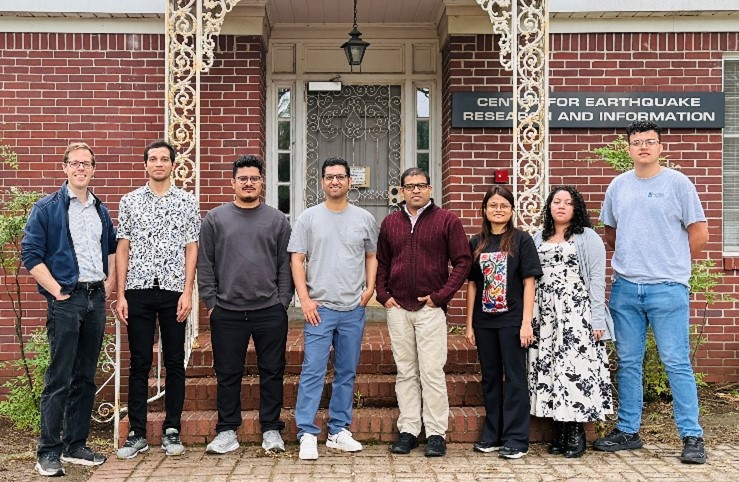 regions. One major project explores background seismicity rates in Southern California
versus volcanic zones in Hawaii—work that directly supports seismic hazard assessment.
regions. One major project explores background seismicity rates in Southern California
versus volcanic zones in Hawaii—work that directly supports seismic hazard assessment.
She’s also contributed to building a community seismic network in El Salvador, helping develop a velocity model for seismic detection near active volcanoes. “It’s about translating science into systems that can protect people,” she says.
National Lab Internship: Research on a Global Stage
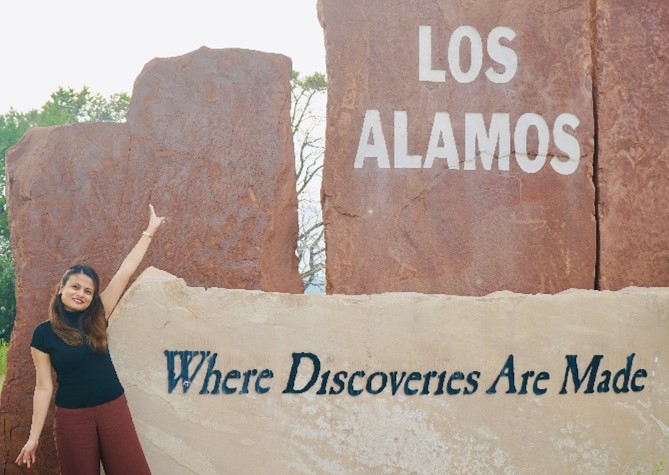
This summer, Rinty is interning at Los Alamos National Laboratory, where she’s part of a multidisciplinary team studying background seismicity at a
proposed carbon sequestration site in Texas. She uses spectral analysis and machine
learning to build seismic catalogs and assess the site's stress conditions—a critical
step in ensuring the safety of future carbon storage projects. “It’s been intellectually
enriching and opened my eyes to how seismic science contributes to national security
and energy resilience.”
Recognized for Excellence
Rinty’s work hasn’t gone unnoticed. She received the UofM Graduate Student Association Top 20 Under 35 award, a Student Success Award, and a 4.0 GPA recognition—accomplishments that reflect her dedication and drive. “These honors have strengthened
my confidence and helped shape my identity as a young researcher,” she says.
Mentorship that Matters
Much of her growth is thanks to her mentor, Dr. Thomas Goebel. “His support and example taught me that meaningful research requires both curiosity
and perseverance,” she says. “Working with him has reinforced my belief that impactful
science is built on a foundation of integrity, collaboration, and sustained effort.”
Milestones and Memories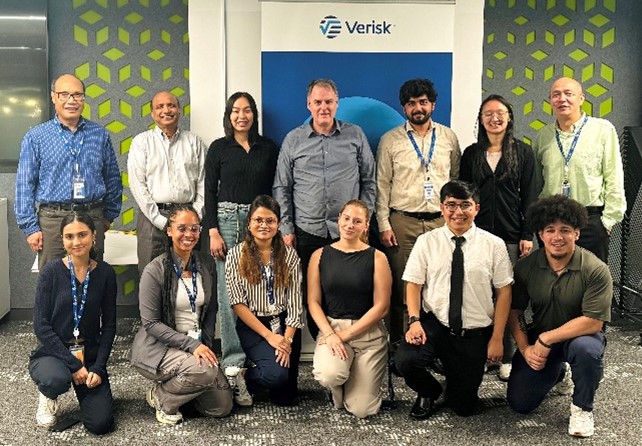 Among her standout experiences, Rinty points to fieldwork as a highlight: “Visiting
spectacular geological features as part of our research is an incredible perk of the
job.” She also completed a NSF Graduate Research Internship at Verisk/Air Worldwide in Boston, where she applied her academic training in an
industry setting with global implications.
Among her standout experiences, Rinty points to fieldwork as a highlight: “Visiting
spectacular geological features as part of our research is an incredible perk of the
job.” She also completed a NSF Graduate Research Internship at Verisk/Air Worldwide in Boston, where she applied her academic training in an
industry setting with global implications.
Life in Memphis
Outside the lab, Rinty enjoys watching sunsets at Shelby Farms Park and cooking to
unwind. “Memphis has been a welcoming place for me as an international student,” she
says.
Looking Ahead
Rinty’s goal is to continue conducting research in geophysics and seismology. “Whether
in academia, government, or industry, I want to keep contributing to the science that
informs our understanding of natural hazards.”
Advice for Future PhD Students
For students considering a PhD—especially those from abroad—Rinty offers this wisdom:
“A PhD is not just about becoming an expert; it’s about learning how to navigate uncertainty
and contribute to knowledge that matters. Show up every day—even when it’s hard. That’s
how growth happens.”