
Research-Based Approach to Workforce Development
While SETWC focuses on a wide range of research related to the transportation workforce, we have special expertise in:
- Transportation operations,
- Impacts of transformative technologies,
- Identifying workforce gaps in skills and training,
- Attracting individuals to transportation careers, especially STEM-related opportunities, and
- Inclusive workforce development.
For more information, or to get involved, contact Stephanie Ivey at stephanie.ivey@memphis.edu. Check out some of our active and recently completed projects below!
Current Research Projects
Advancing Rail Industry Workforce Development
This project, sponsored by the Federal Railroad Administration and led by the University of Memphis SETWC, Fairpointe Planning, and Tennessee State University, is focused on strengthening recruitment and retention strategies within the rail industry. The initiative identifies key challenges and opportunities that impact workforce participation and provides a set of actionable recommendations to help industry stakeholders address current and future needs.
A central outcome of the project is the development of a comprehensive resource toolkit designed for use by both public and private organizations. This toolkit offers data-driven, practical solutions that can be implemented to enhance workforce planning, improve employee engagement, and support long-term industry growth.
By going beyond traditional workforce development efforts, this project equips the rail industry with the insights and tools needed to build a stronger, more resilient workforce pipeline.
Staffing Needs and Plans for Traffic Management Systems
 |
This project, led by Leidos with support from a consultant team that includes SETWC, builds on the work of the FHWA TMC Pooled Fund Study, the National Operations Center of Excellence (NOCoE) transportation systems management and operations (TMSO) workforce development initiative, and other recent and ongoing efforts to define TMS workforce needs today and into the future. The project will result in models and guidance for needed KSAs, job definitions and descriptions, and staffing plans for TMSs and supporting subsystems. |
Urban STEM Collaboratory
 |
Since 2018, the SETWC-led Urban STEM Collaboratory has engaged faculty and 165 students at three urban campuses, University of Memphis, University of Colorado Denver and Indiana University Purdue University, in a National Science Foundation S-STEM project involving collaborative research and activities designed to support engineering student success. The research focus is on understanding factors that support students in development of STEM identity and sense of community. Effective interventions were implemented in combination with financial support. The interventions include peer mentoring, a summer bridge program, the CN academic networking platform, academic year workshops, learning communities, the STEM Ambassador program, and Peer-Led Team-Learning, and were refined across the project period to address a variety of challenges. The project has been successful in meeting its original objectives, including engaging a minimum of 150 students, creating a community of scholars and faculty, and realizing increased academic and degree achievement outcomes for scholars. Scholars at all three campuses have achieved higher GPAs and more credits toward their degrees than their S-STEM eligible peers. Learn more about the Urban STEM Collaboratory here. |
Recently Completed Research
TDOT Critical Knowledge Gaps, Existing Knowledge Management Practices, and Cultural Readiness
|
TDOT Workforce Research and Strategy Guide
|
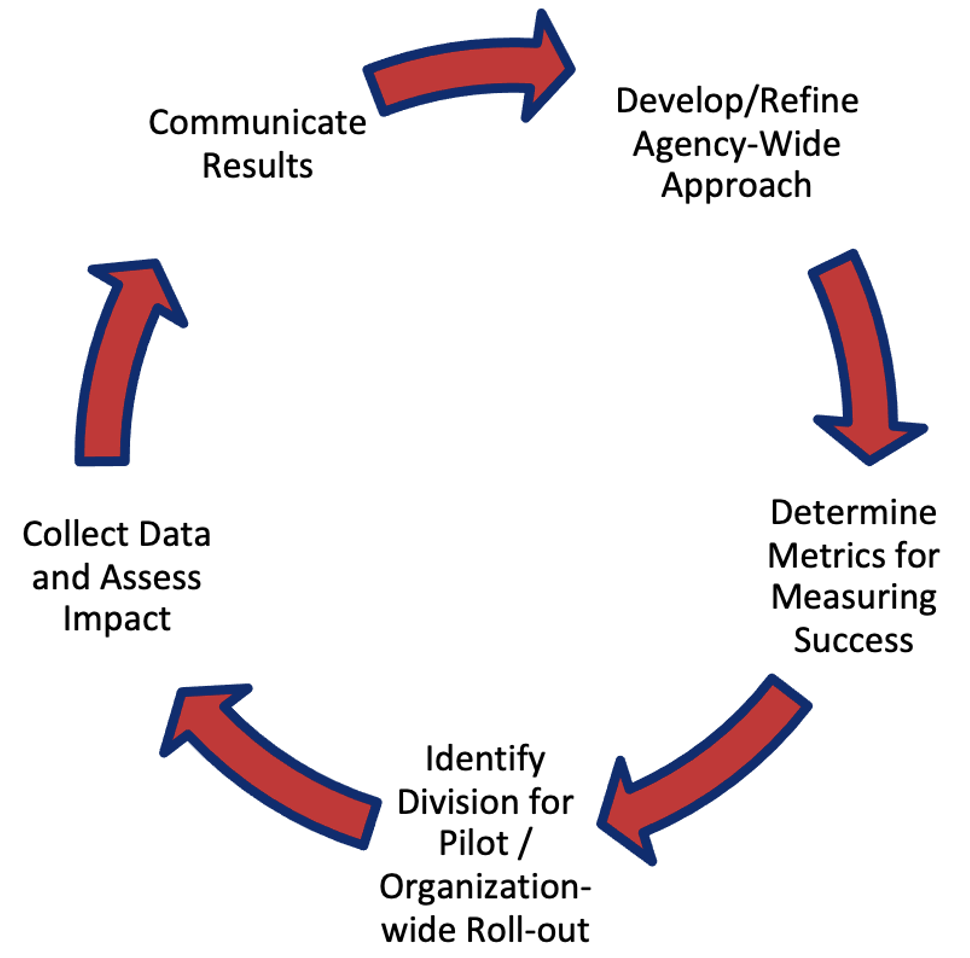
This research project examined the Tennessee Department of Transportation’s (TDOT) workforce goals, challenges, and practices with a focus on recruitment, retention, and organizational effectiveness. The study involved an extensive review of available literature, analysis of workforce data, and an evaluation of staffing patterns and compliance records. Key activities included:
The findings informed the development of a comprehensive workforce strategy guide that provides practical recommendations for strengthening TDOT’s ability to attract, engage, and retain skilled employees. The final report is available for download from the National Transportation Library. |
Greater Memphis Apprenticeship Pathway
 |
With rapidly changing technology, transportation professional skill set requirements are also transitioning with the increasing use of advanced technology-based systems in practice. This is of particular importance for the Transportation Systems Management and Operation (TSMO) area and further integration of Intelligent Transportation Systems (ITS) into our transportation infrastructure. University student workforce preparation must correlate to existing and future transportation career skill set requirements to ensure a fluid progression from student to professional. This evolving transportation landscape means that students need a diverse skill set beyond the traditional competencies and interdisciplinary knowledge provided through civil engineering programs. To address these issues, SETWC developed the Engineering Apprenticeship Program (EAP). The program consists of a newly established interdisciplinary course at the University of Memphis that targets entrepreneurial skills, industry engagement, innovation and research. The program also includes a work-based learning component which creates the apprenticeship framework. The program has been successful in increasing students' interdisciplinary exposure, awareness of cutting-edge industry research, and the ability to apply solutions in one discipline to other problem settings. The EAP increases students’ understanding of transportation career opportunities, develop professional competencies, and better prepare them for the future of the transportation workforce. Learn more about EAP here. |
Promoting Innovations through Training to Improve Traffic Signal Operations in Tennessee
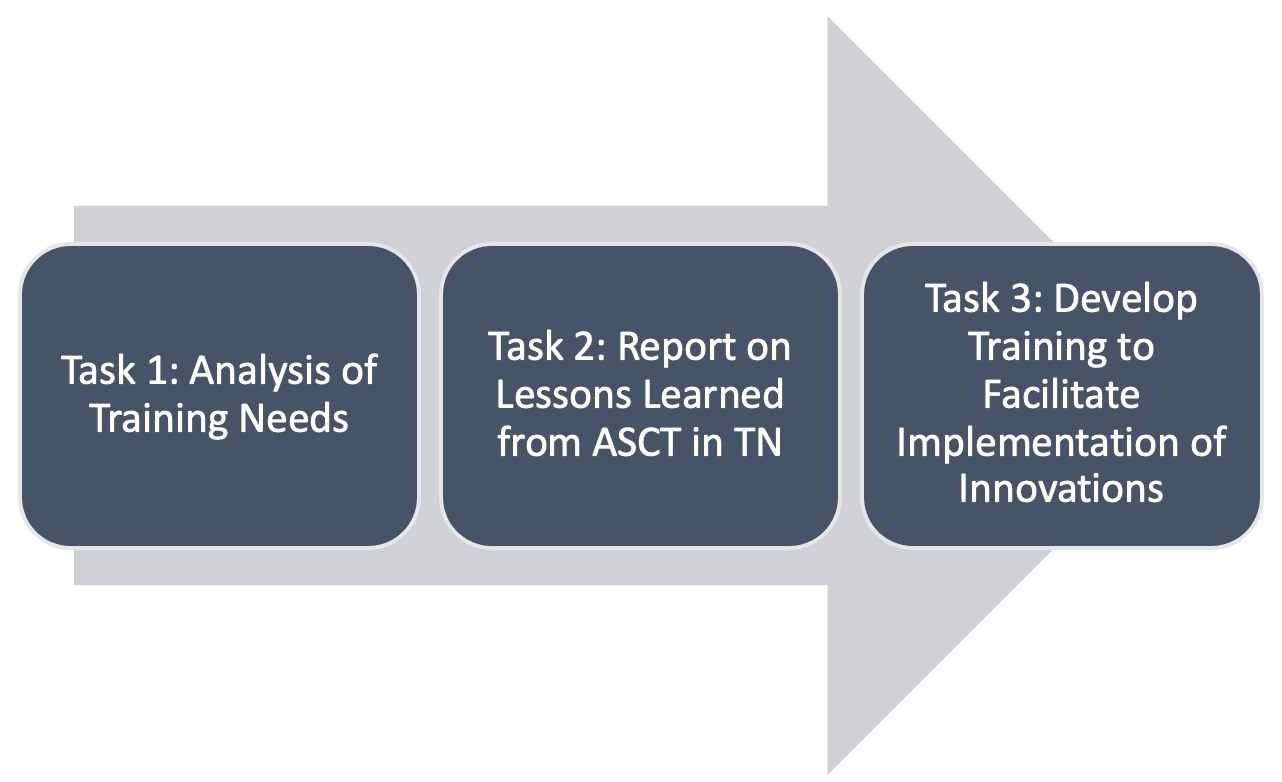 |
Transportation technologies are constantly developing and being integrated in traffic signal networks throughout the country. As the advancement in technologies continues, the demand for a trained transportation workforce rises. One of the main challenges of adopting leading technologies in transportation is ensuring the workforce is appropriately trained. The state of Tennessee is experiencing similar trends. Several cities in Tennessee have deployed or are considering deployment of smart technology to improve local traffic operations and management. These agencies face difficulties in developing necessary skillsets required for staff to maintain and manage new and rapidly evolving technologies. The University of Tennessee Center for Transportation Research and the University of Memphis Southeast Transportation Workforce Center developed a collaboration with the Tennessee Department of Transportation, the Tennessee Traffic Signal Users Group (TTSUG) and the Smart City Division of the Chattanooga Department of Transportation to examine current state of practice and workforce training needs across Tennessee. The goal of this project is to address workforce training challenges local agencies in Tennessee are facing through development of new training resources. Priorities for developing additional training programs will be determined based on identified workforce skill shortcomings and their impact on an agency’s ability to keep pace with innovations and best practices recognized in Every Day Counts and AASHTO’s Innovation Initiative. |
Transportation Systems Management and Operations Workforce Guidebook
 |
As departments of transportation and other highway organizations look at ways of optimizing the use of existing infrastructure and transition from a design-build-maintain business model to a more strategic focus on Transportation Systems Maintenance and Operations (TSMO), the Department of Transportation (DOT) workforce must evolve to meet changing demands of a new way of delivering safe and reliable mobility to its customers. The NCHRP 20-07 research team, led by Gannett Fleming with support from SETWC, conducted a scan of existing professional education and training programs, developed model TSMO-related job position descriptions for the evolving workforce, identified crucial knowledge, skills and abilities related to these positions, and developed a strategic management framework for recruiting, developing, and retaining TSMO-related staff. The guidebook is available for free download on the National Operations Center of Excellence website. |